I. Silica Morphology | The Imprint
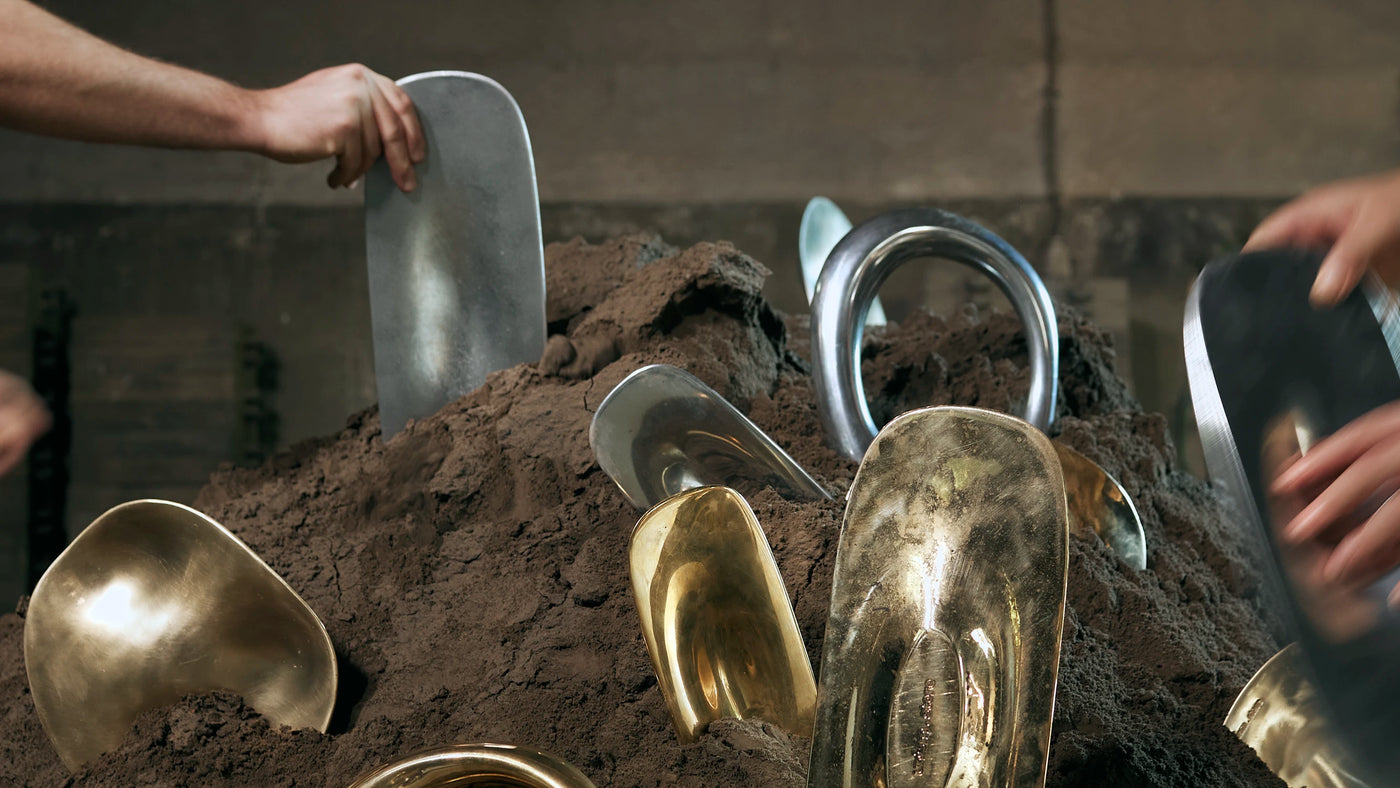
To create the "negative," we utilize high-fidelity patterns pressed into bonded silica sand. This medium is chosen for its unique granular morphology, allowing the air to escape while capturing the most minute surface data. It is a process of extreme pressure; the sand must be packed with enough density to withstand the sheer hydrostatic pressure of the liquid metal, yet remain porous enough to let the object "breathe" as it forms.
II. Thermal Kinetics | The Incandescent Pour
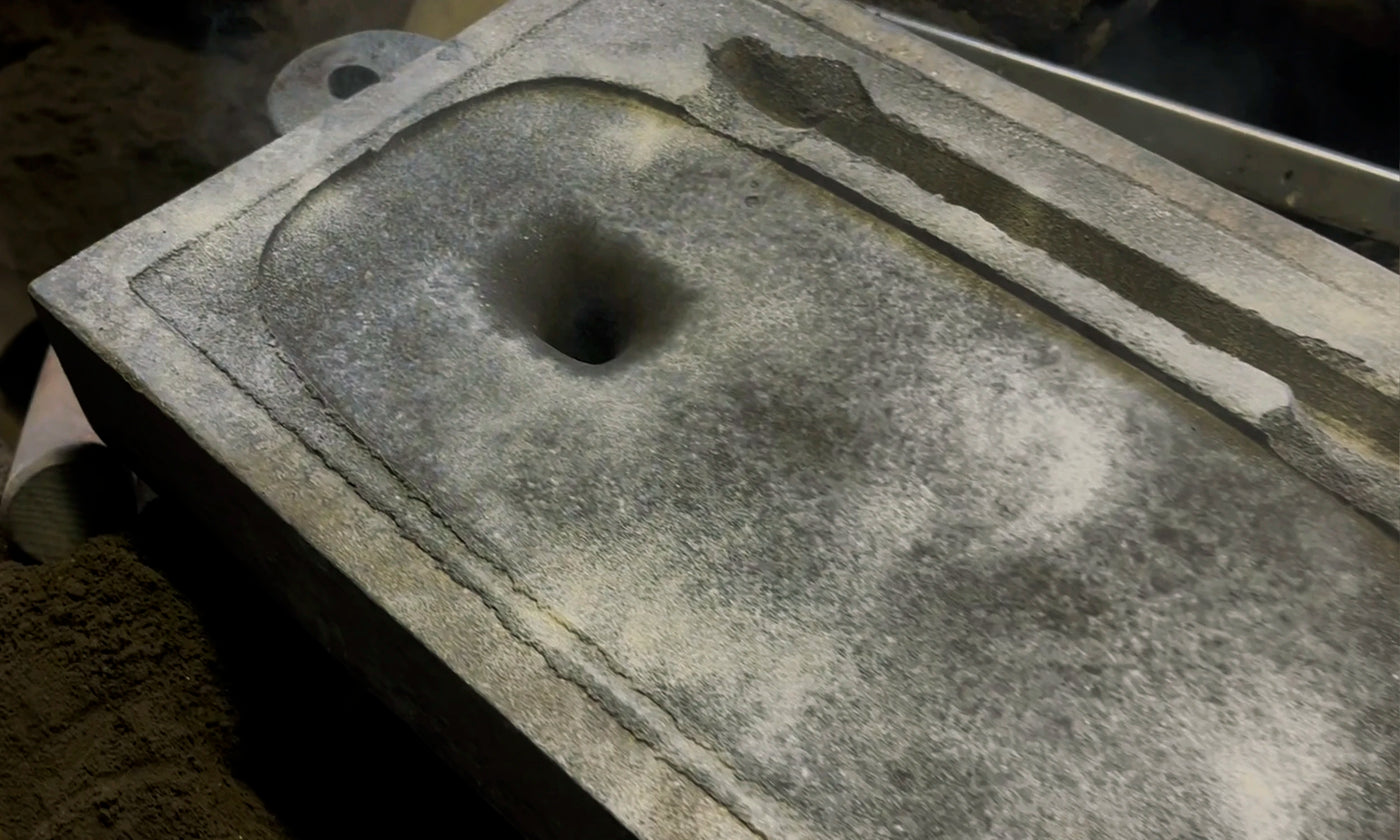
In the foundry, brass and aluminium reach their eutectic point: the temperature at which they transition into a state of pure, incandescent liquidity. We perform a gravity pour at over 1,000°C. As the liquid alloy floods the sand gates, it undergoes rapid atmospheric displacement. This is a violent, high-energy event where the metal fights to occupy the void, ensuring the final object possesses a dense, structural integrity that CNC machining simply cannot replicate.
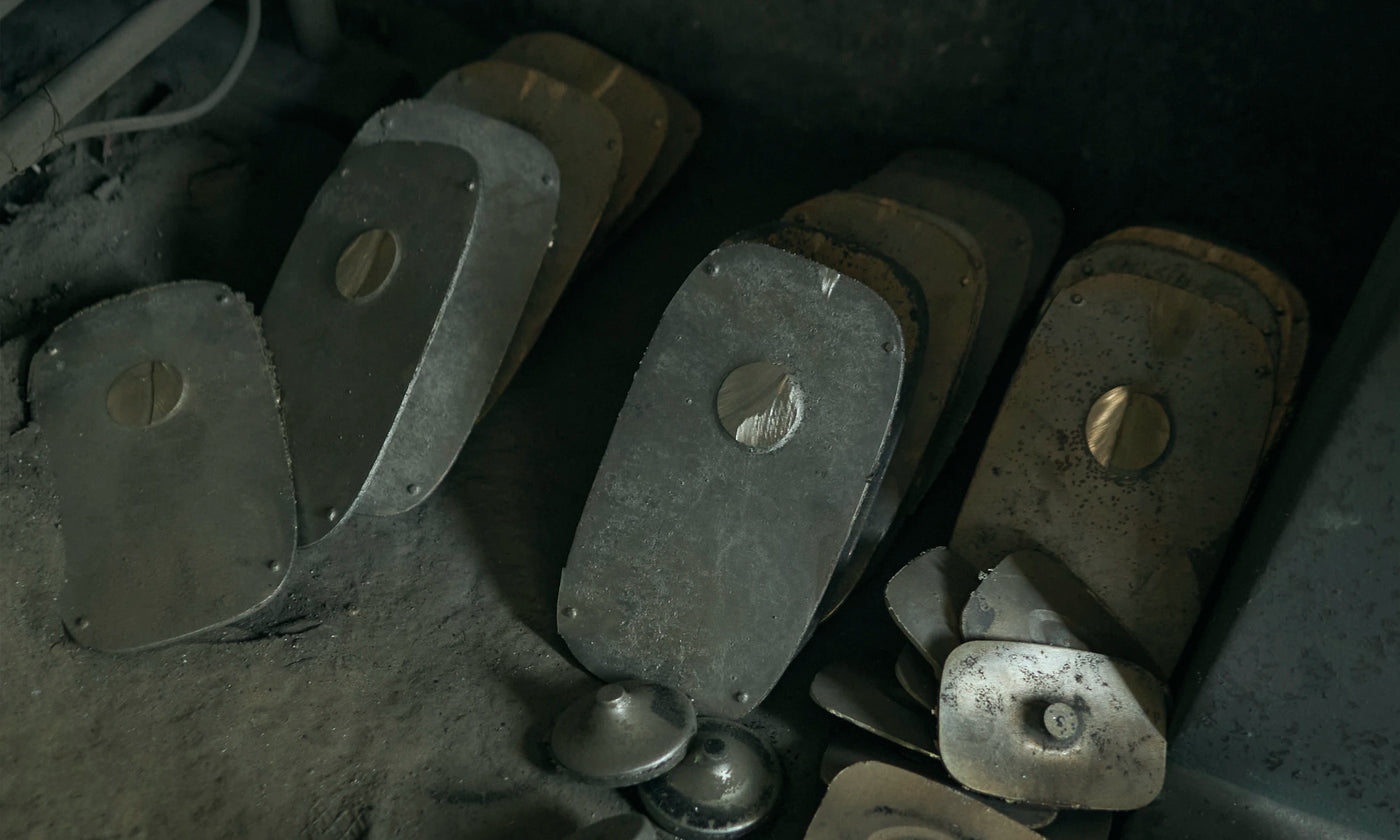
III. Macro-Porosity | The Geology of Metal
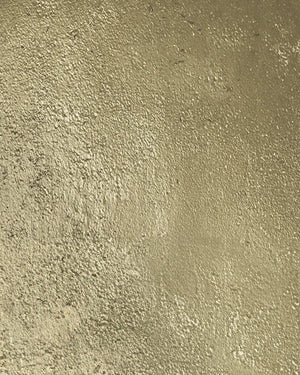
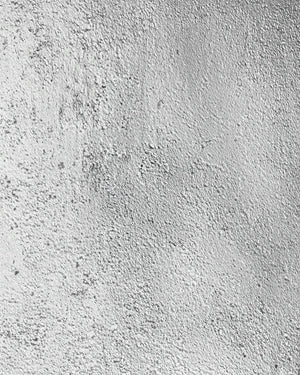
During solidification shrinkage, the metal's "skin" is formed. Unlike mass-produced die-casting, our sand-cast process encourages macro-porosity and surface irregularities. These are not defects; they are the geological signatures of the foundry. This "sand-skin" provides a tactile, granular topography: a physical narrative of the metal's journey from a liquid stream to a permanent, sculptural anchor.
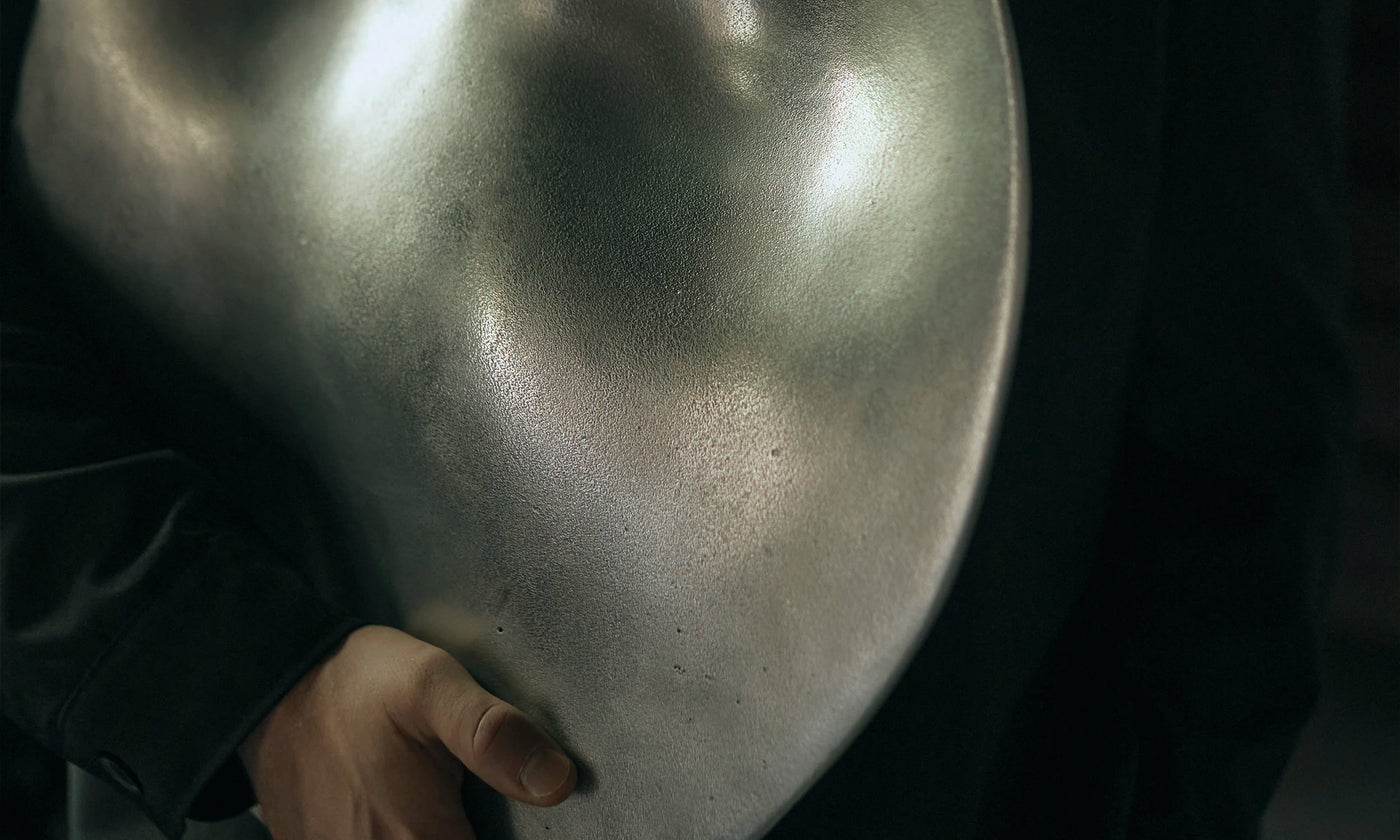
IV. Surface Architecture | Mechanical Refinement
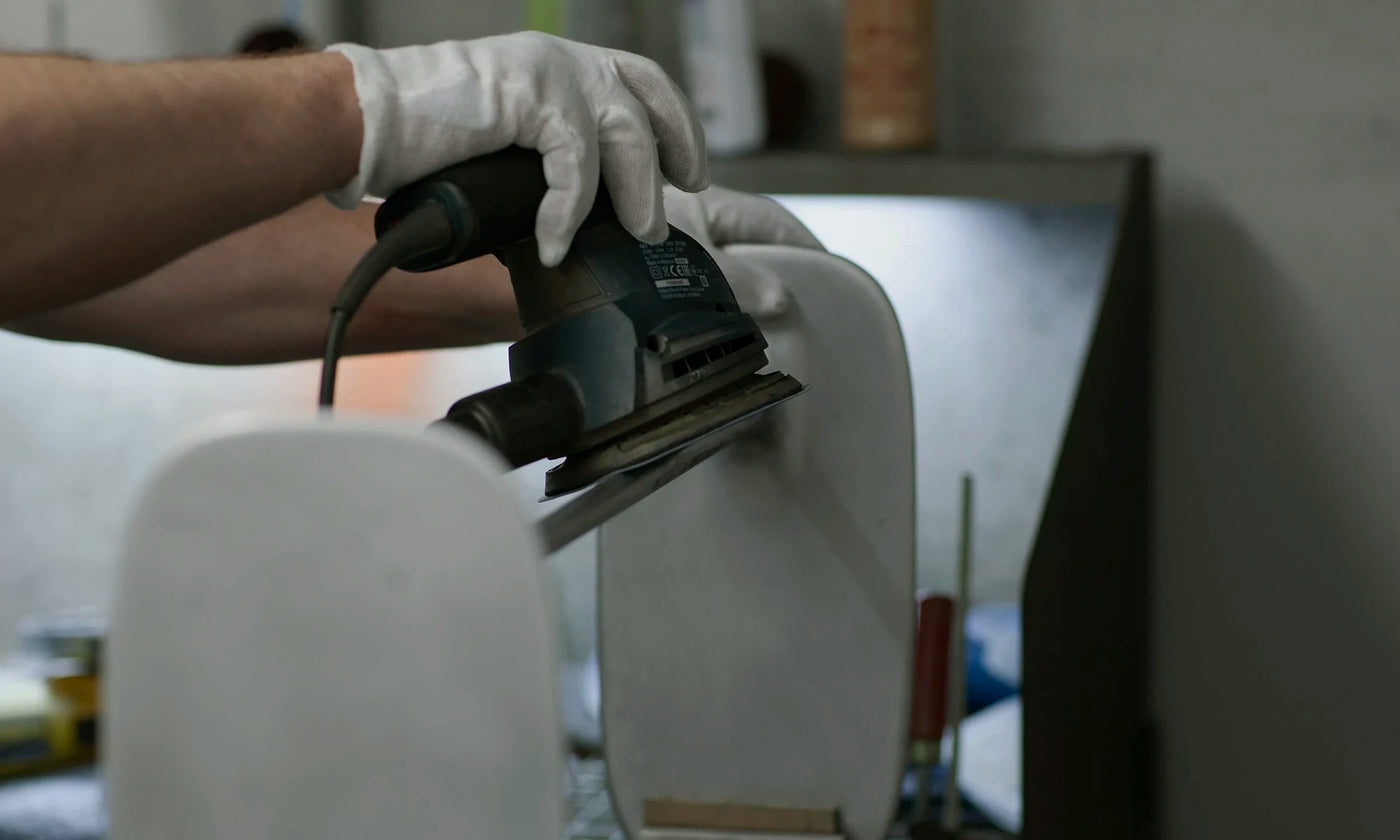
The final phase is Mechanical Refinement. Every casting is subjected to a series of abrasive stages, from coarse-grit removal to fine-satin brushing or mirror-polishing. For our aged finishes, we utilize accelerated oxidation (patination) to create a protective, aesthetic layer of history. The result is a balance of industrial weight and refined surface architecture.
Finishes